Product Design · UX · Data · Strategy
I design the shortest useful path through complex information, data and digital experiences.
“I think users will want this because of feedback, behaviour, trends and my understanding of them.”
Then I turn that instinct into something testable: user needs → problems → hypotheses → prioritised opportunities → concepts → prototypes → tests. Lifecycle thinking: Discovery → Alpha → Beta → Live. I use the structure to make the maturity of an idea explicit, without claiming delivery stages a concept has not reached.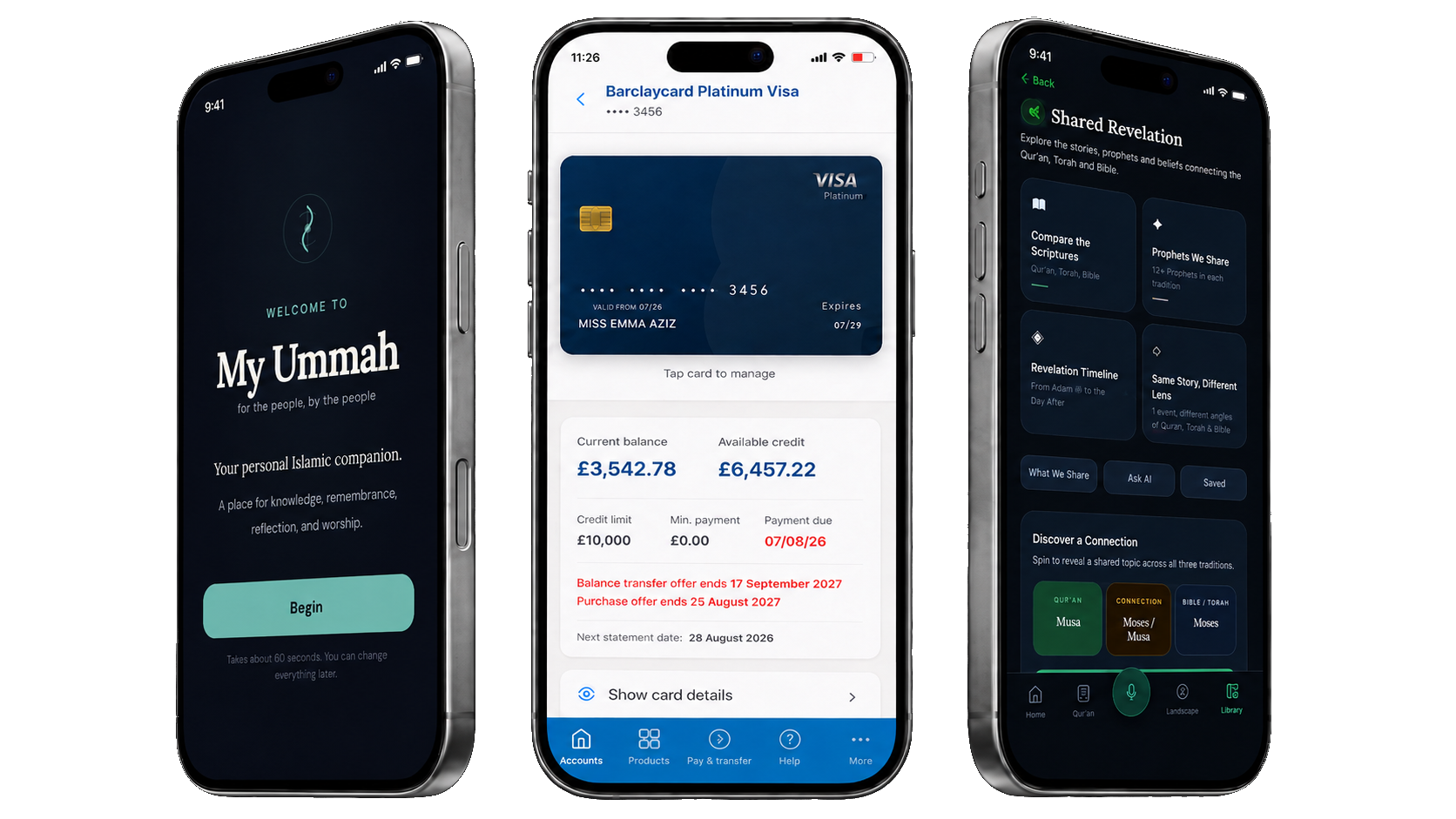
Tiny plot twist
How many iterations do you think this portfolio took?
Pick one. No pressure, just vibes.
Personality
WHO AM I WHEN I MAKE THINGS?
My best ideas normally start somewhere between “this could actually work” and “why has nobody stopped me?”
Somehow this became the final version.
Could this have been simpler? Absolutely.

Currently investigating whether it needs to be slightly weirder.
What I make
Different outputs. Same instinct: make the complicated thing easier to use.
Research, flows, prototypes, testing, accessibility and interfaces built around real behaviour.
02Data and AnalyticsFinding what the existing KPI misses, then designing the clearest route from evidence to decision.
03ADL Estate PlanningHelping a growing estate planning business become more digital, measurable and scalable.
04Brand + Content DesignCampaign ideas, visual storytelling and creative systems shaped around how an audience already behaves.
05PresentationsTurning dense ideas, research and strategy into narratives people can understand and act on.
Selected product work
From problem framing to something people can actually use.
My process changes with the problem rather than following a ritual. I might use Double Diamond to widen and narrow an ambiguous brief, Jobs to be Done to clarify the outcome someone is seeking, assumption mapping to decide what to test first, a service blueprint when backstage dependencies matter, or MoSCoW when scope needs a hard edge. I am also developing practical public service design fluency through my MA Service Design at the Royal College of Art, including GOV.UK Design System patterns and code based prototyping with the GOV.UK Prototype Kit.
Okay this bit actually has a sensible explanation.
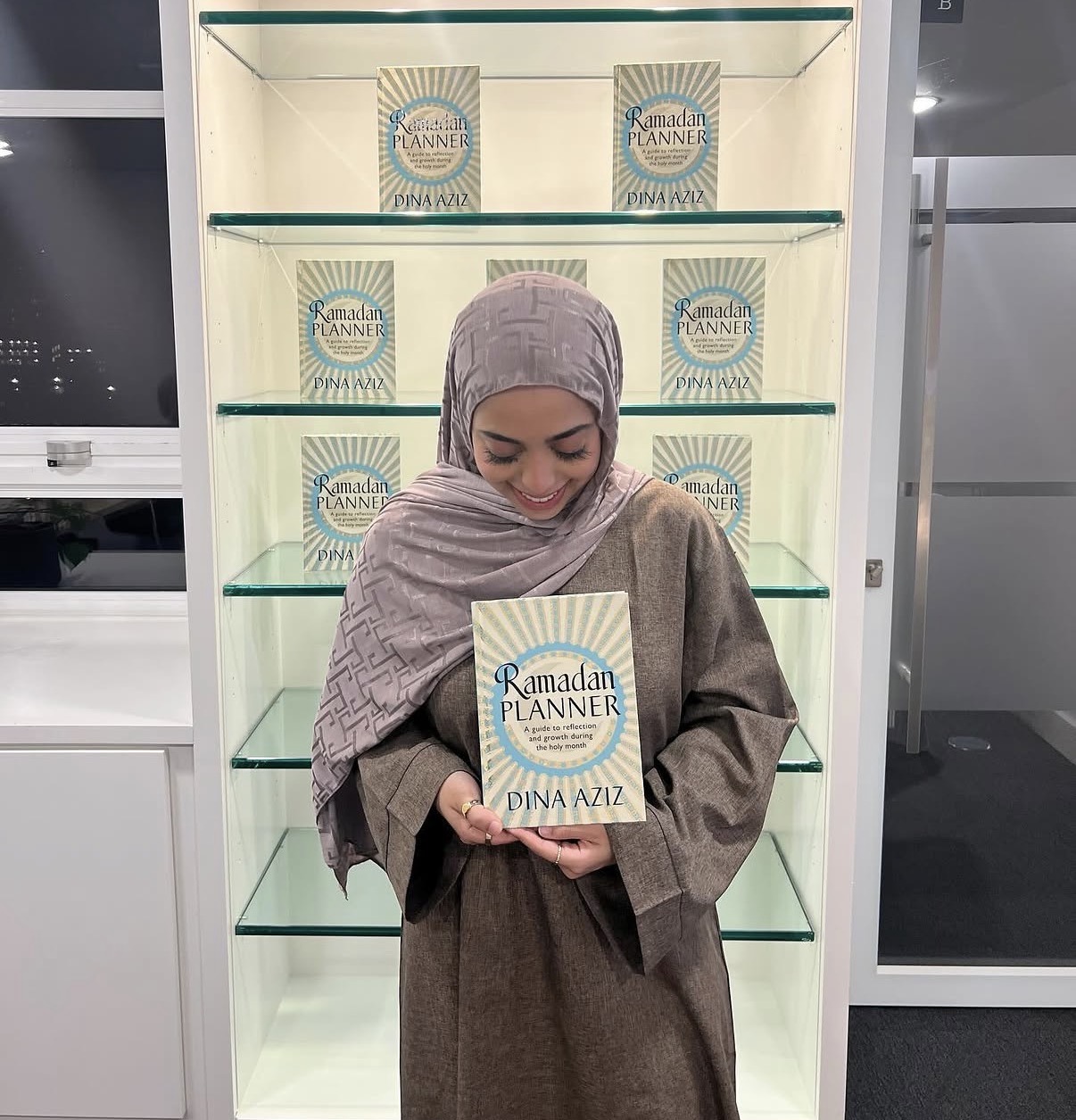
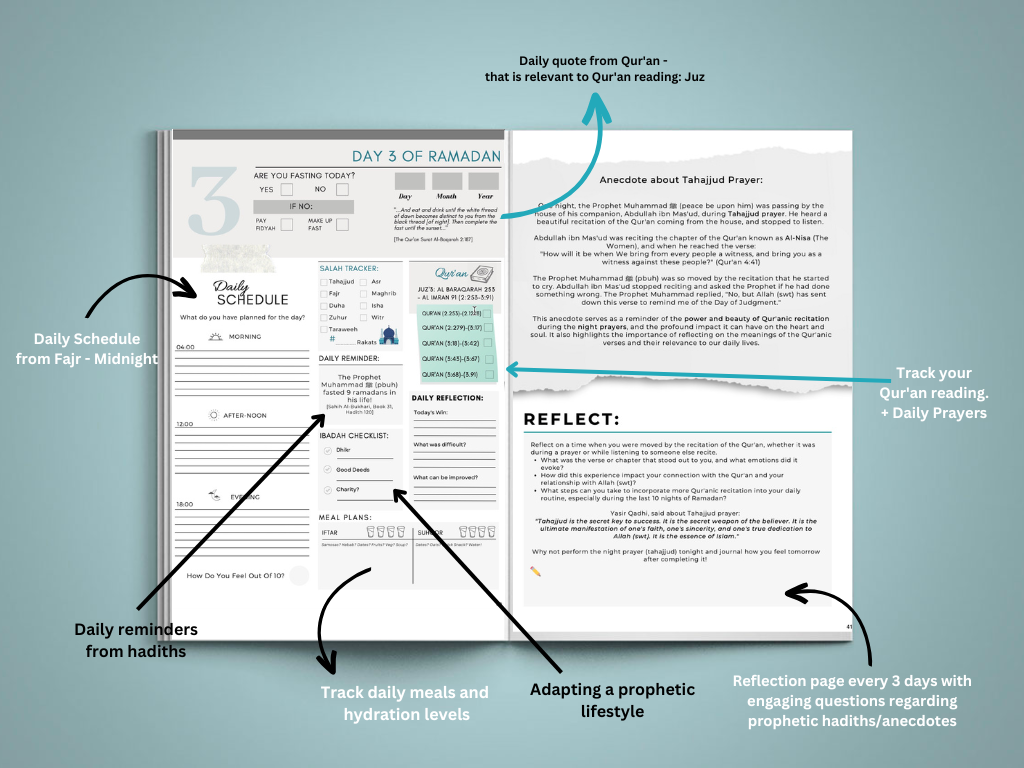
Ramadan Planner · Product Designer & Published Author
A 208 page Penguin product built through rapid iteration, information architecture, inclusive planning patterns and daily emotional check ins designed around real fasting behaviour.
Product Design · Publishing · Information Architecture · February 2024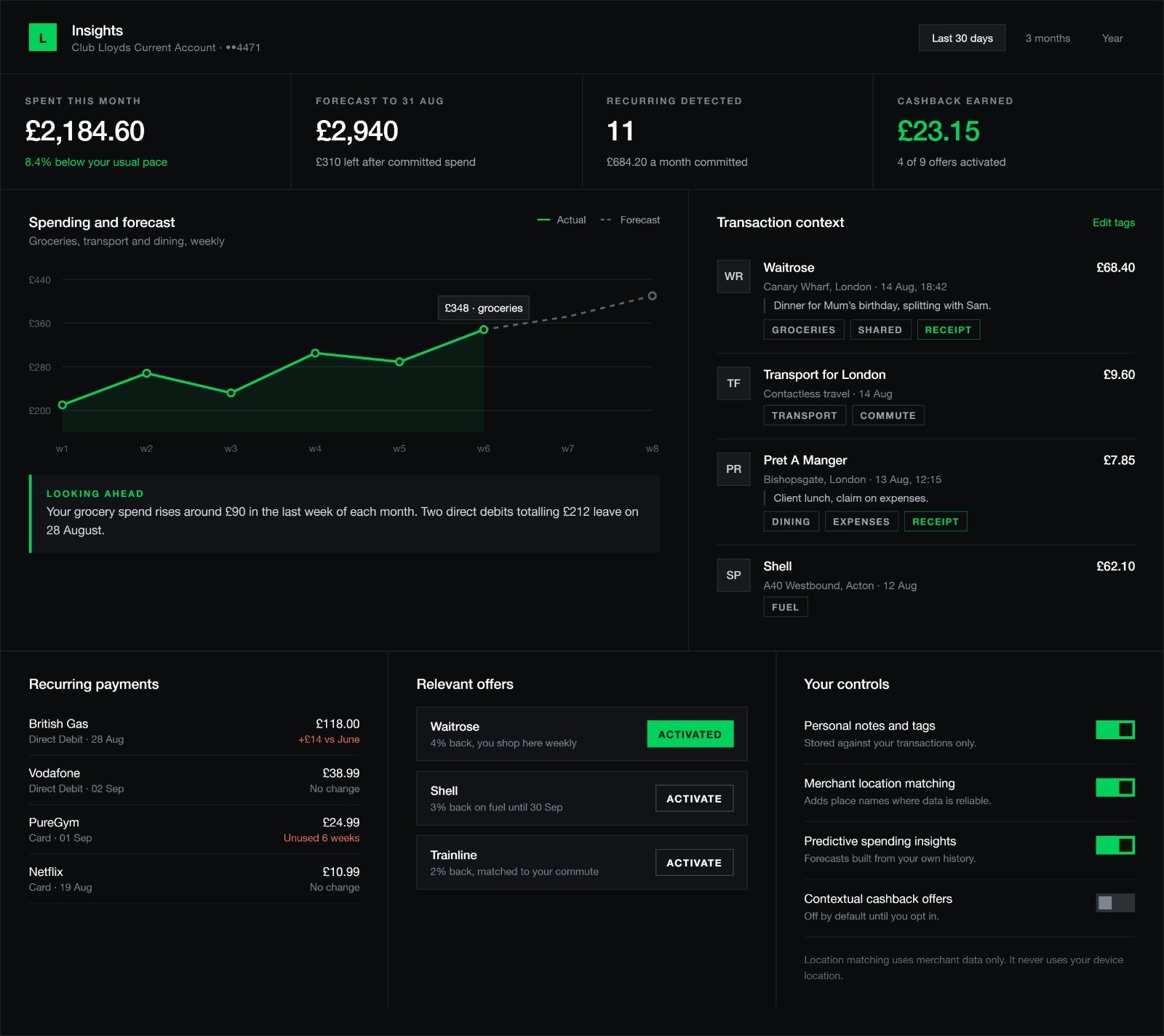
Lloyds Banking App
An Alpha stage banking concept that turns a repeated transaction recognition problem into a testable hypothesis, then uses impact mapping and MoSCoW prioritisation to decide what earns its place.
Product Design · Discovery to Alpha · Hypothesis Testing · December 2025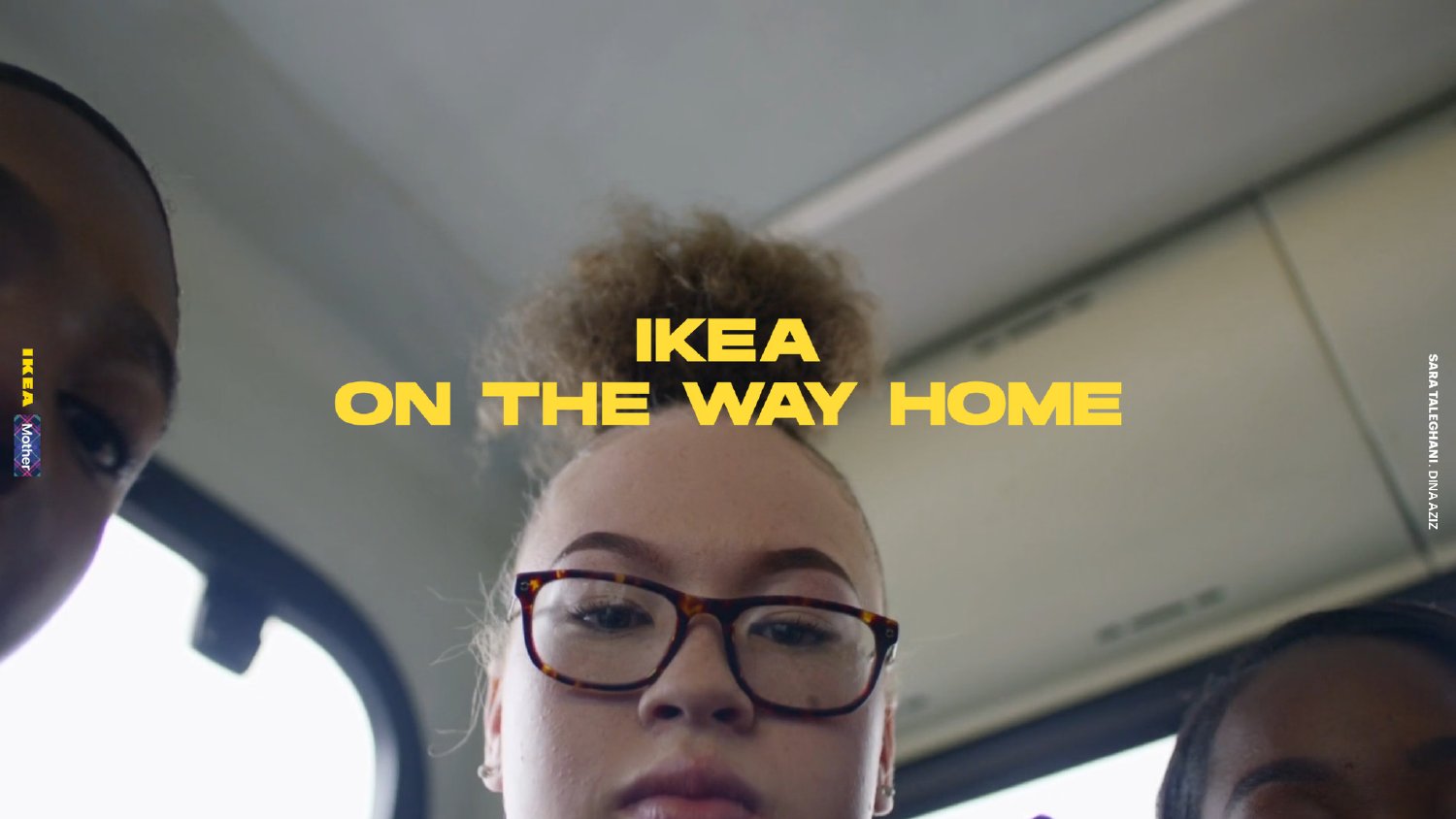
IKEA · On The Way Home
A Ramadan social campaign concept built around the funny, recognisable friction of breaking fast while commuting, developed through observational humour, authentic casting and mobile first storytelling.
Creative Direction · Campaign Concept · Social Film · February 2026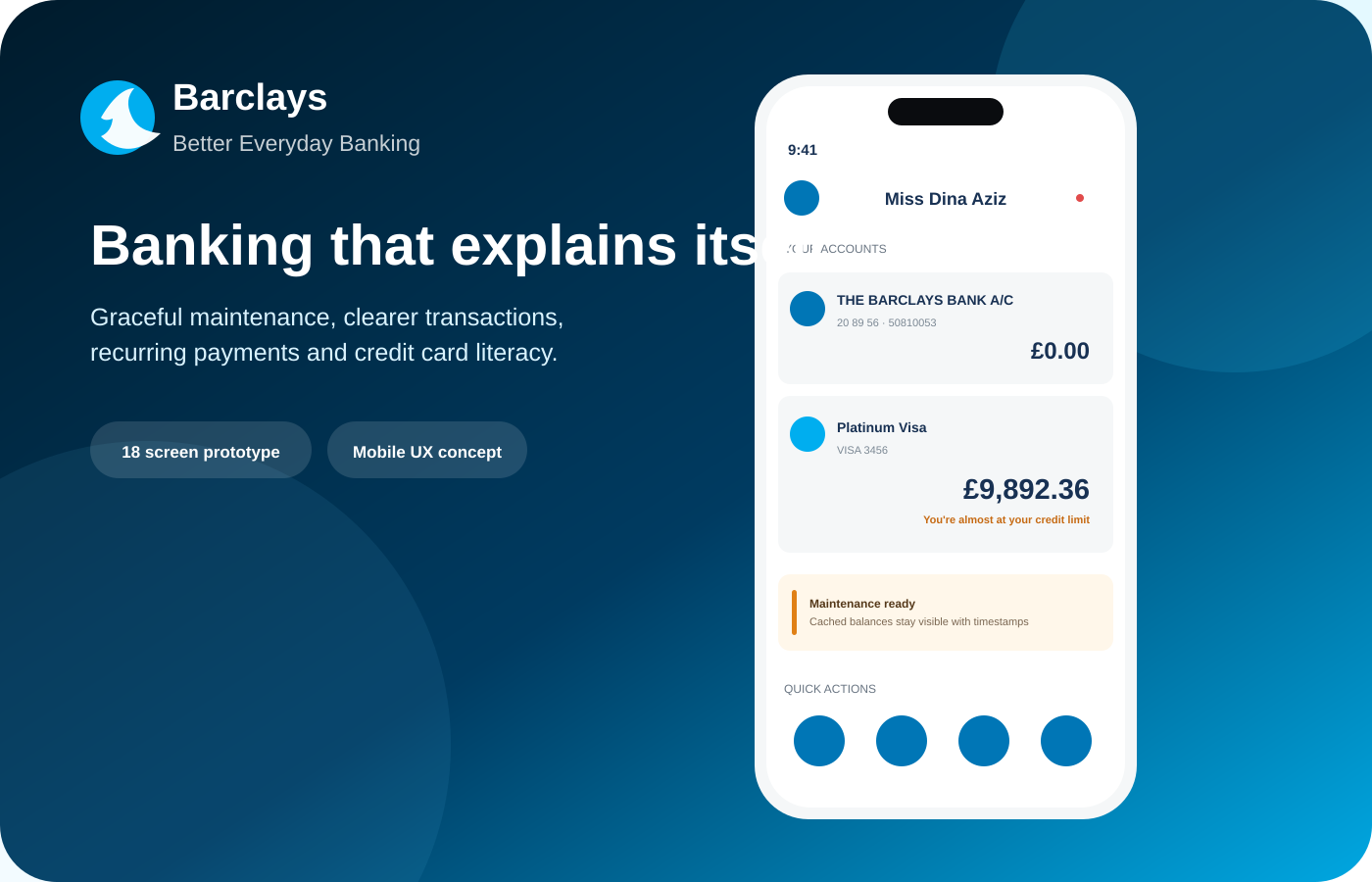
Barclays Better Everyday Banking
An Alpha stage banking concept framed around reducing uncertainty, with user needs translated into hypotheses, prioritised opportunities and an 18 screen prototype ready for structured testing.
Product Design · Discovery to Alpha · MoSCoW · Impact Mapping · August 2026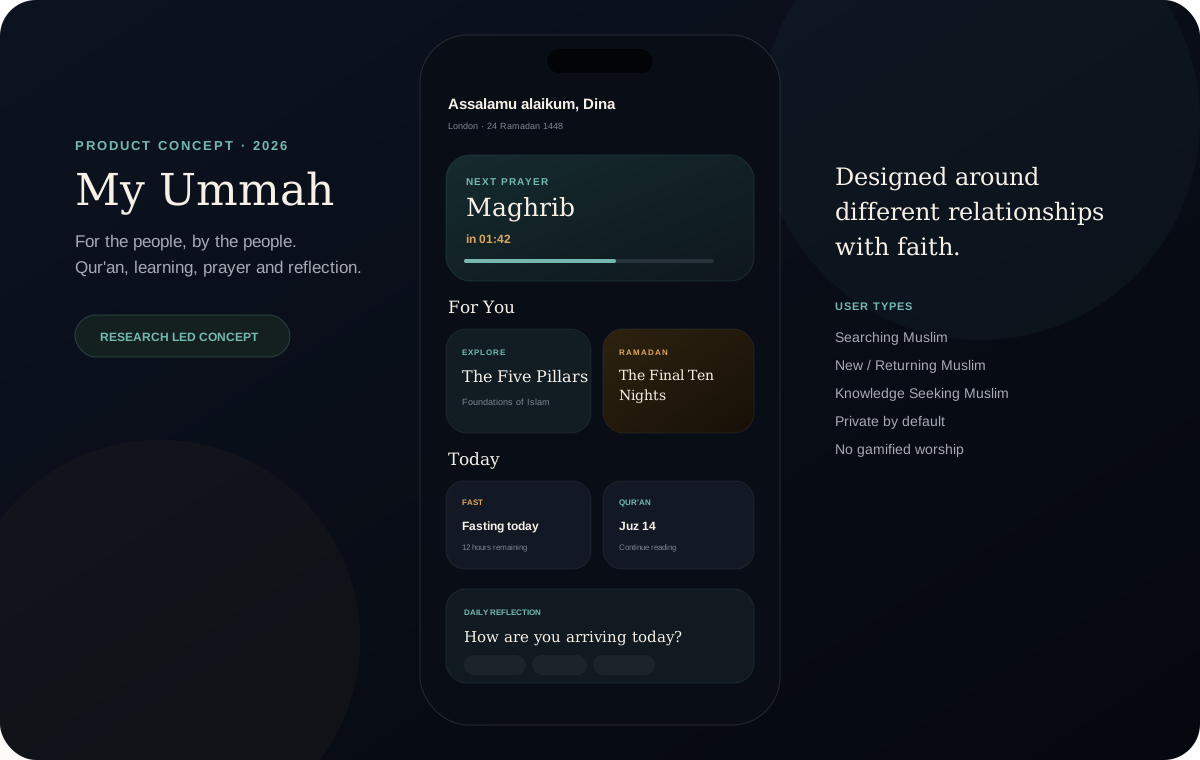
My Ummah
An Alpha stage Islamic companion translating adjacent evidence from the Ramadan Planner into explicit user needs, hypotheses and prioritised opportunities, while keeping trust and accessibility as product requirements.
Product Design · Discovery to Alpha · WCAG 2.2 AA · January 2025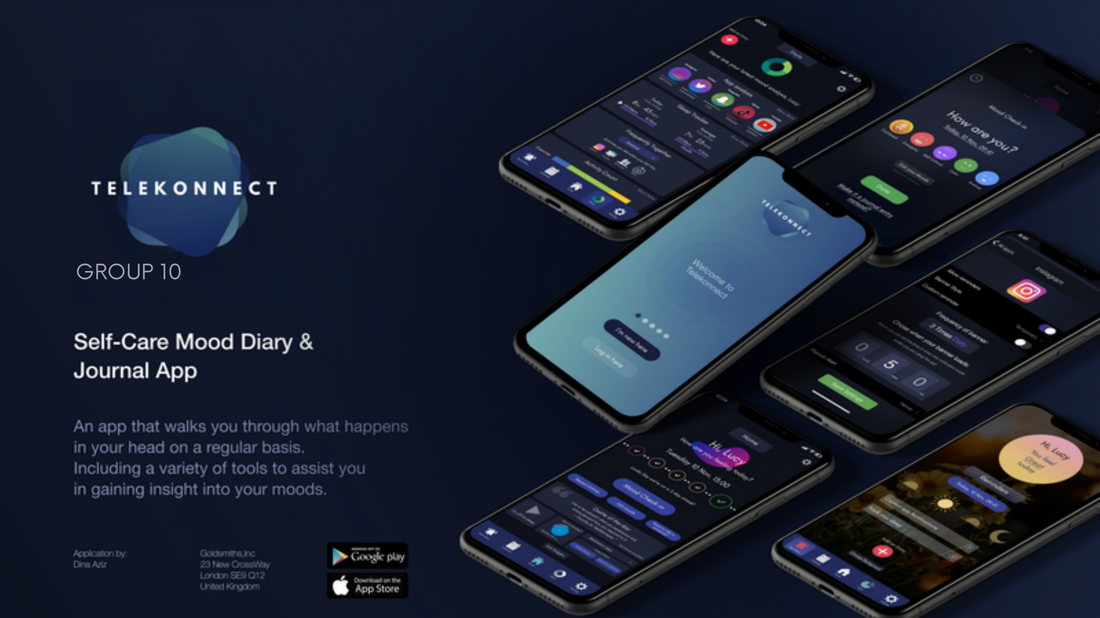
Telekonnect
A research led wellbeing product that moved from a broad mental health question to a focused system for recognising patterns between technology use, daily activity and mood.
UX Research · Product Design · Computer Science · 2019
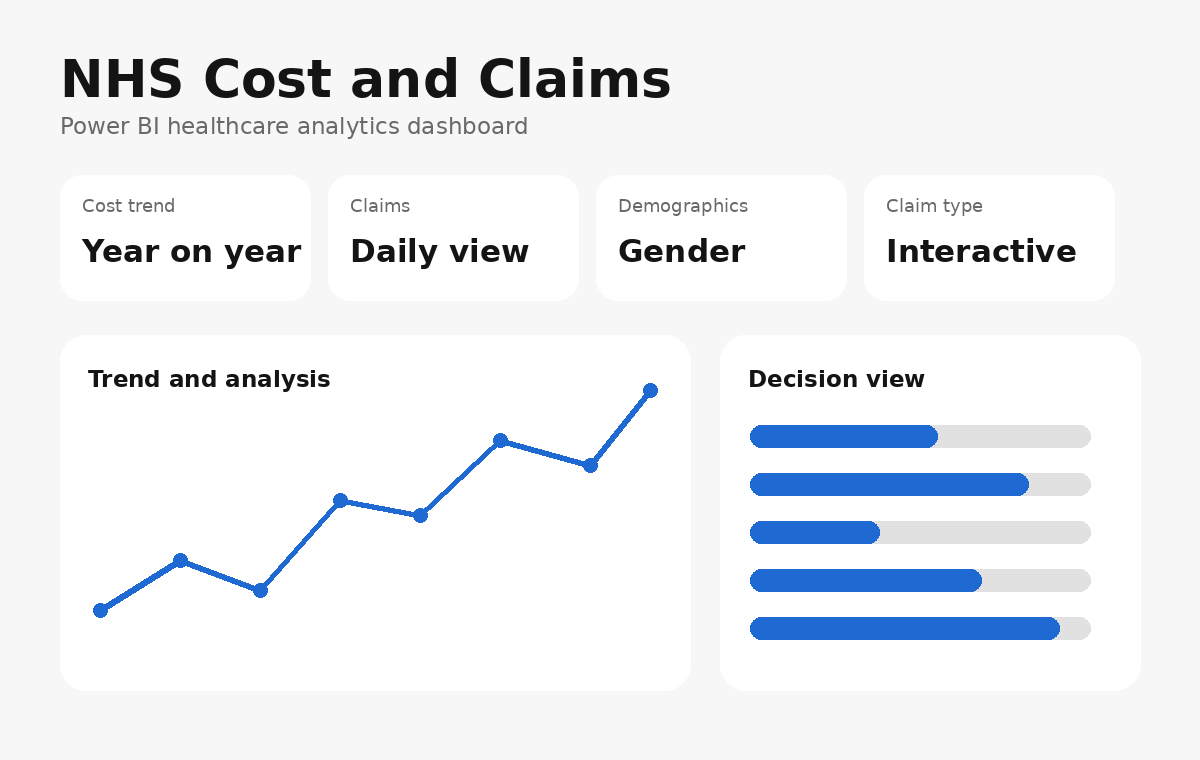
Power BI Dashboards
Decision products where the interface matters as much as the metric: filters, hierarchy, chart choice and interaction are designed around how stakeholders need to investigate and act.
Power BI · Data Analytics · 2021 to present
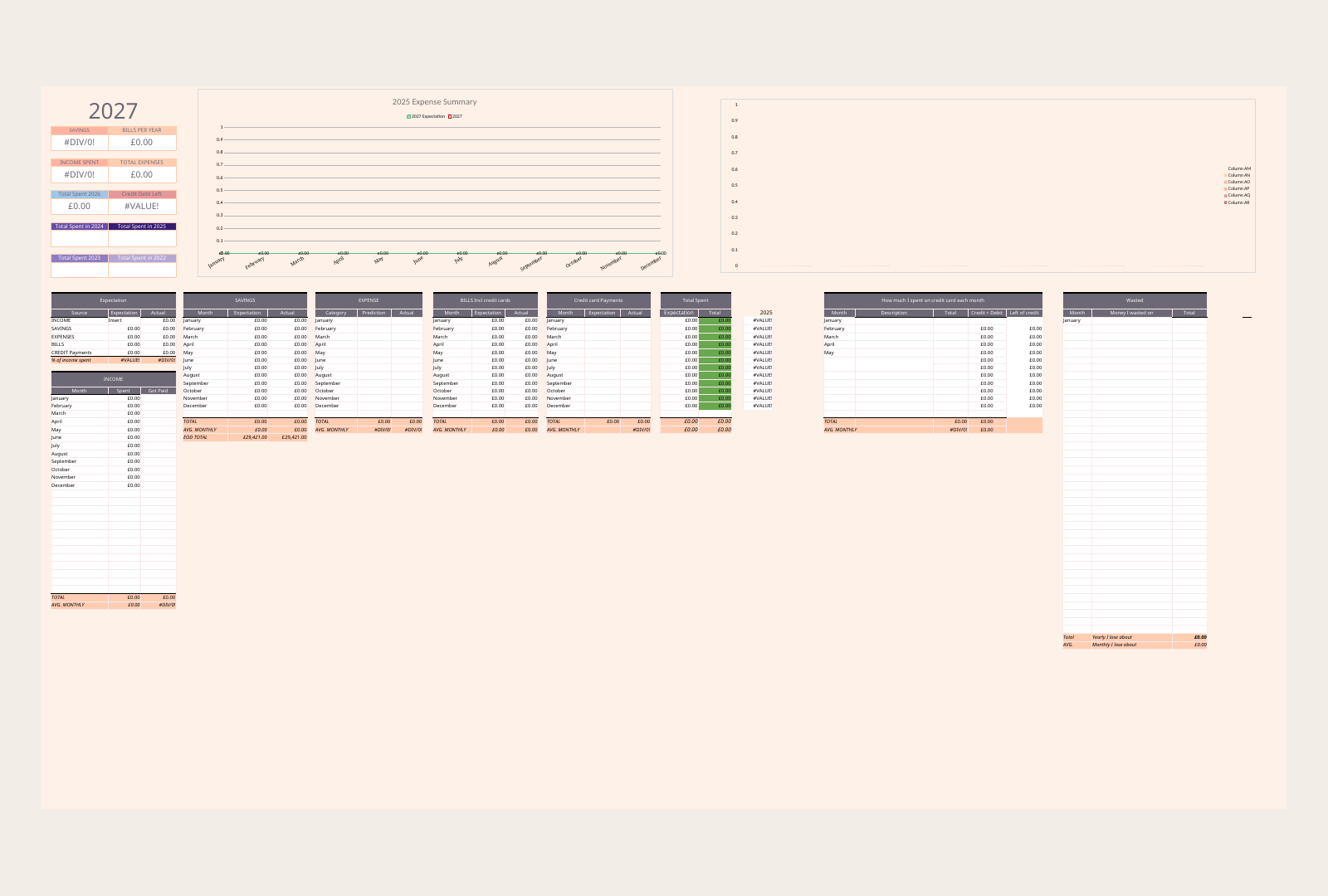
Budget Planning Sheet
A planning system designed for low cognitive load, with several ways to organise the same financial reality so users are not dependent on one method of thinking.
Spreadsheet Design · Planning · 2020 to present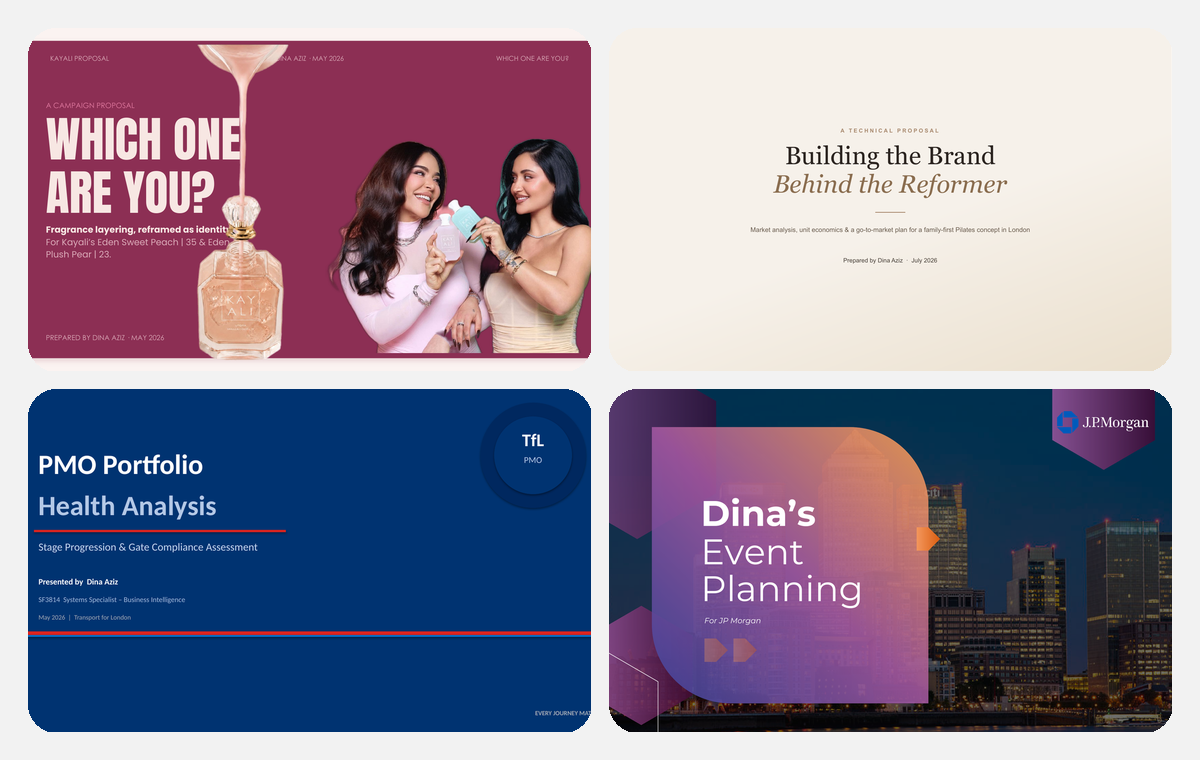
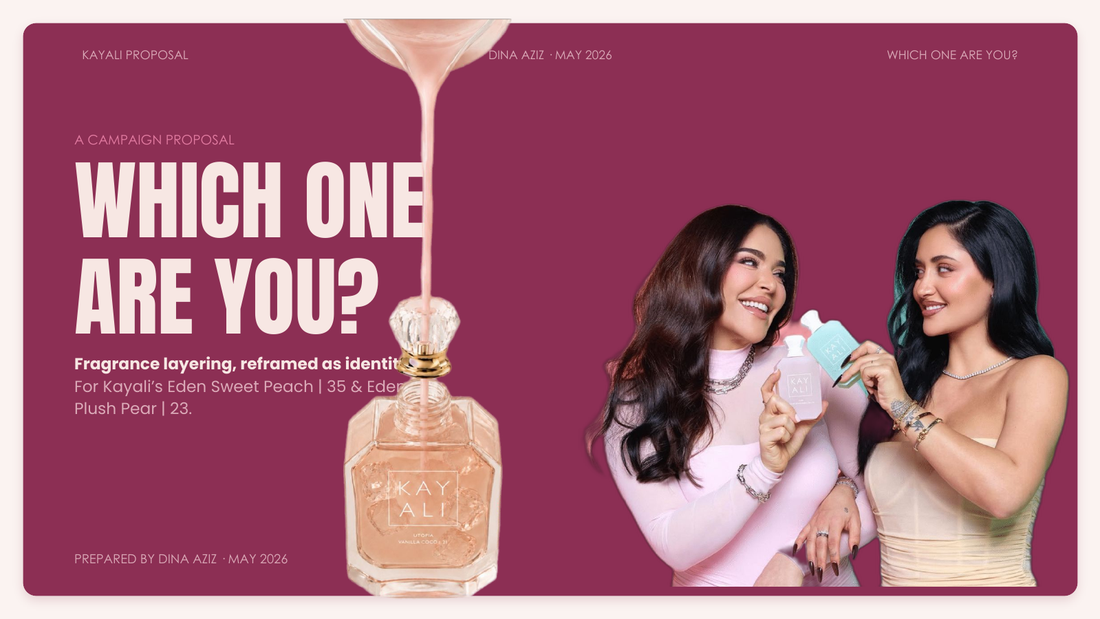
Brand + Content Design
A curated collection of campaign concepts, creative direction, editorial thinking and brand systems designed around real audiences rather than decoration.
Creative Direction · Campaigns · Visual Storytelling · 2019 to present

Upcoming Concepts
Private brand concepts currently in development, including work for On Cloud and Fenty Beauty.
In Development · Private Concepts · 2026 ongoingADL Estate Planning
Helping a growing estate planning business become more digital, measurable and scalable.
I work across the seams between operations, data, client experience, business development and digital systems. Instead of organising the work by software, I organise it by the problem being removed.
Make client journeys clearer
Structure financial and legal information so clients and advisers know what happens next and what action is required.
Make performance measurable
Use reporting, CRM structure and analysis to make activity visible enough to improve rather than relying on instinct alone.
Remove repeated effort
Spot manual processes that can become reusable workflows, templates or automations without sacrificing judgement.
Make growth repeatable
Connect content, lead generation, digital strategy and operational follow through so growth does not depend on one person remembering everything.

Presentations
Information design for rooms where the decision matters.
Strategy decks, proposals, data stories and stakeholder presentations designed to control the sequence of information, not just decorate slides.
View presentation workI naturally look for repeated work, unclear choices, brittle processes and information that asks too much of the person using it. Across analytics and product work, I reduce that friction by defining the real problem, choosing the right structure, anticipating what the user will need next and building patterns that can be reused rather than solved from scratch each time.
My strongest design skill is not decoration. It is removing avoidable effort.
My work ranges from analytical dashboards and banking concepts to research led mobile products, brand proposals and independent ventures. The common thread is turning complicated information or behaviour into something clearer, more useful and easier to act on.
How I think
Usability starts before the interface.
I do not begin by asking what screen, chart or component to make. I begin by asking what is wasting time, what the current system is hiding, what the user is likely to misunderstand and which assumption would make the whole solution useless if it were wrong.
Notice what is missing
Look beyond the existing KPI, brief or requested output for patterns the organisation has not yet thought to measure.
Design the decision
Choose hierarchy, interaction and visual form around the decision a person needs to make, not around whichever chart is easiest to build.
Remove repeat effort
Turn one off problem solving into a reusable method, template, filter or workflow so the same thinking does not have to be repeated manually.
Test the assumption
Ask what would have to be true for the idea to work, then use behaviour, data, stakeholder feedback or usability testing to pressure test it.